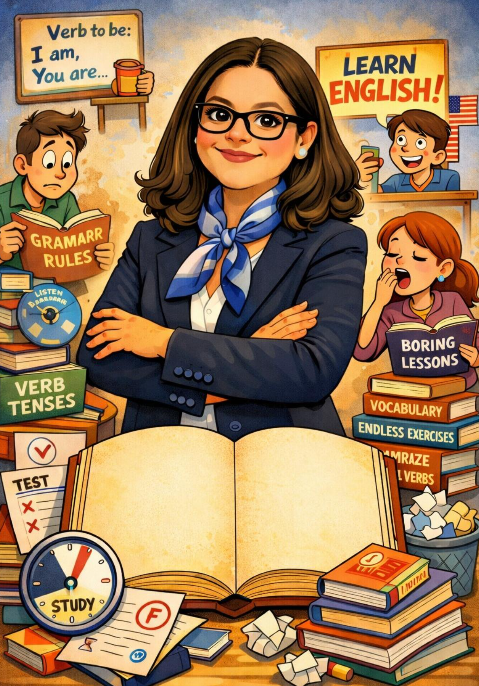



Learning English in a classroom is important. Studying grammar, vocabulary, and sentence structure is part of the foundation of any learning process.
But there is a big difference between textbook English and real-life English.
After nearly 30 years living in the United States, using the language in professional, institutional, and everyday settings, I realized that true fluency happens when the language becomes part of how you think and interact with the world.
In this article, I share some important lessons that only real-life experience can teach.
⸻
- Real-life English is simpler than it seems
One of the biggest surprises for many learners is realizing that native speakers do not use complex English all the time.
In fact, everyday communication is usually direct, simple, and natural.
Instead of long, structured sentences like those found in textbooks, real-life English relies on short and objective expressions.
For example:
Textbook:
I would like to inquire about the possibility of…
Real life:
Can I ask you something?
This does not mean that grammar is not important — it is essential.
But in daily communication, the focus is on clarity, not perfection.
⸻
- Context completely changes meaning
Another important lesson is that many expressions only make sense within a cultural context.
Idioms, slang, and even tone of voice can completely change the meaning of a sentence.
For example:
“What’s up?”
Literally, it could mean “what is happening?”, but in everyday use, it usually just means:
“Hi, how are you?”
Understanding these nuances is what transforms English from theoretical knowledge into a real communication tool.
⸻
- Communication is more important than perfection
Many learners are afraid to speak English because they believe they need to speak perfectly.
But the truth is that communication happens even when there are small mistakes.
In the United States, people from all over the world use English daily, with different accents, structures, and levels of fluency.
What really matters is:
- clarity
- confidence
- ability to express yourself
When you focus on the message rather than just the form, communication flows naturally.
⸻
- Fluency comes from consistent practice
There is no substitute for practice.
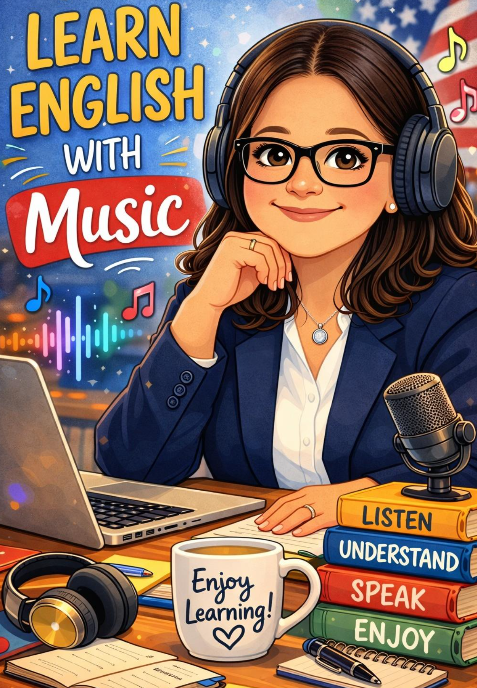
Listening to the language, speaking regularly, consuming content in English, and exposing yourself to the language are essential elements for developing fluency.
Movies, series, podcasts, and real conversations help your brain recognize natural language patterns.
That is when English stops being something you translate and becomes something you truly internalize.
⸻
Conclusion
After decades of living and working in the United States, one thing has become very clear to me:
Fluency is not just about knowing rules.
Fluency is the ability to communicate naturally, clearly, and confidently in real-life situations.
When learning goes beyond textbooks and includes practice, cultural context, and constant exposure, English stops being just a subject and becomes a tool for connecting with the world.